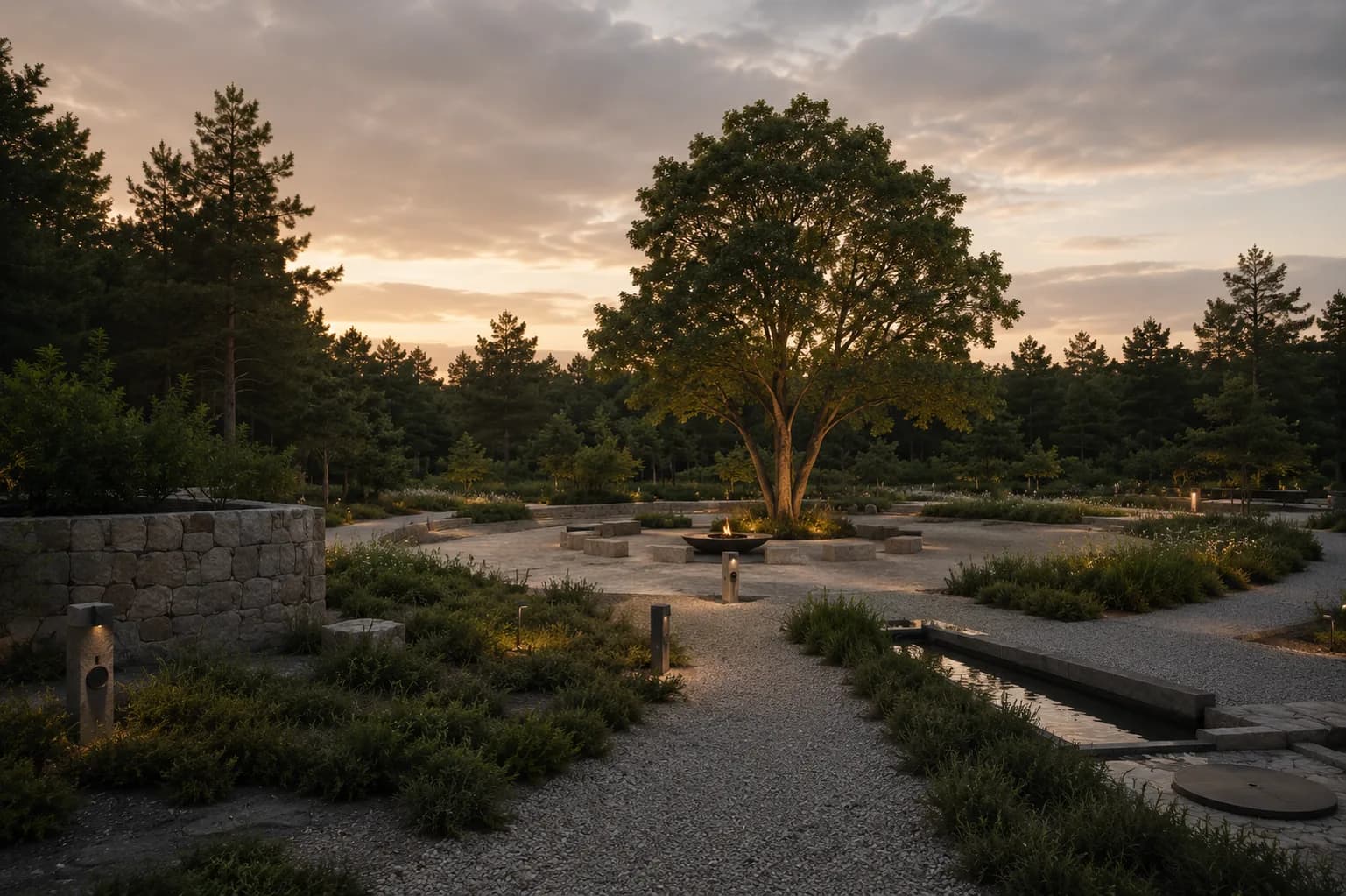
Specus: objects, systems, and places
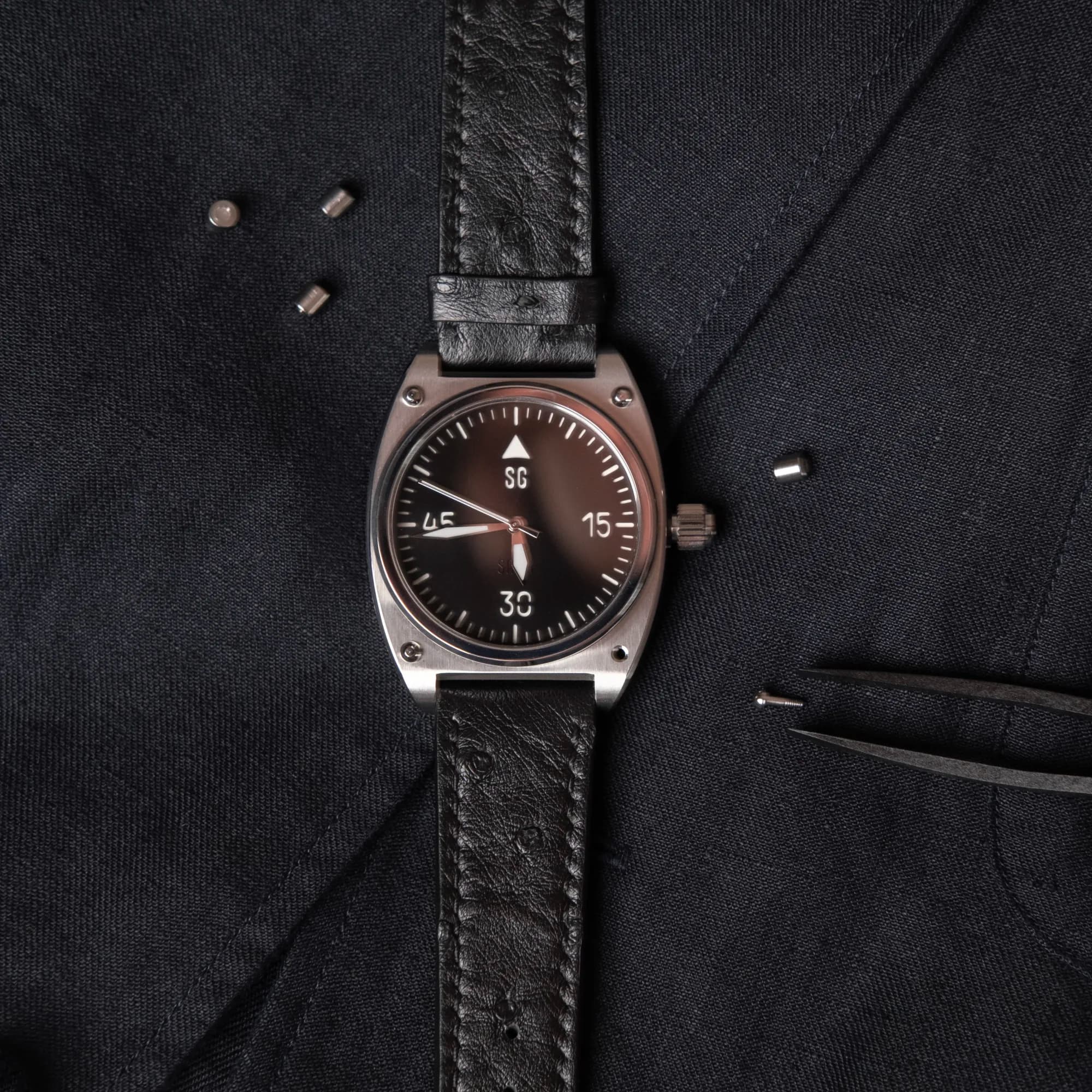
Specus SA-1 Watch
SA-1 is a hand-wound mechanical watch in a 42 mm case made from 316L stainless steel.
It uses a hand-wound Sellita SW210 b movement without a date, a luminous sandwich dial, and a sapphire crystal with an internal anti-reflective coating.
Water resistance is 100 metres. The ostrich-leather strap tapers from 22 to 20 mm.
Specus SA-1Specus Village
Specus Village is a managed living environment that combines houses, land logic, infrastructure, service, resilience, and long-term operation into one system.
The project can start from one home and scale toward a small settlement with shared infrastructure, productive landscape, and engineering resilience.
It follows the same Specus logic: not a finished product, but an open system that becomes more precise through site, use, and time.
Specus Village