
SPECUS SA-1
The first Specus object
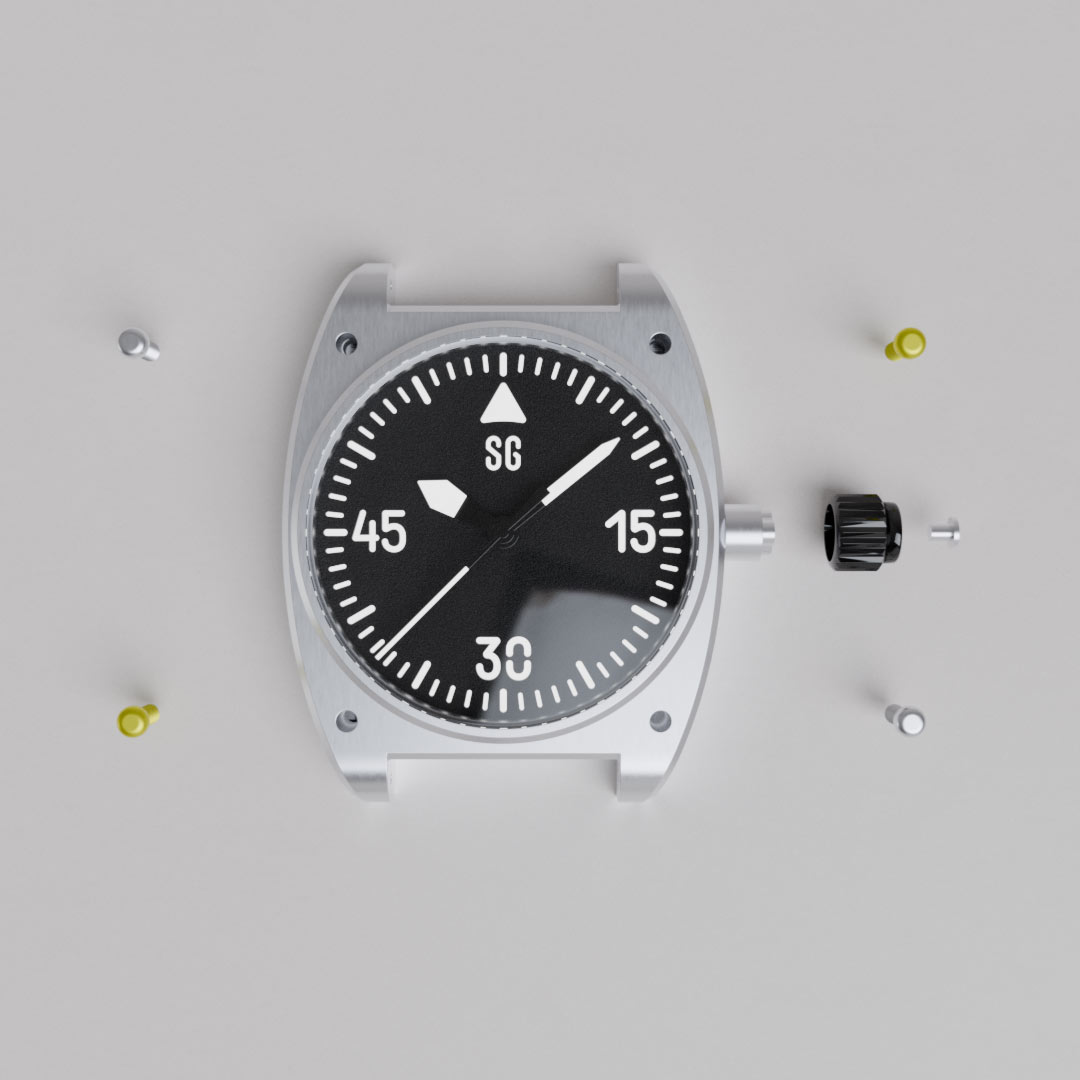
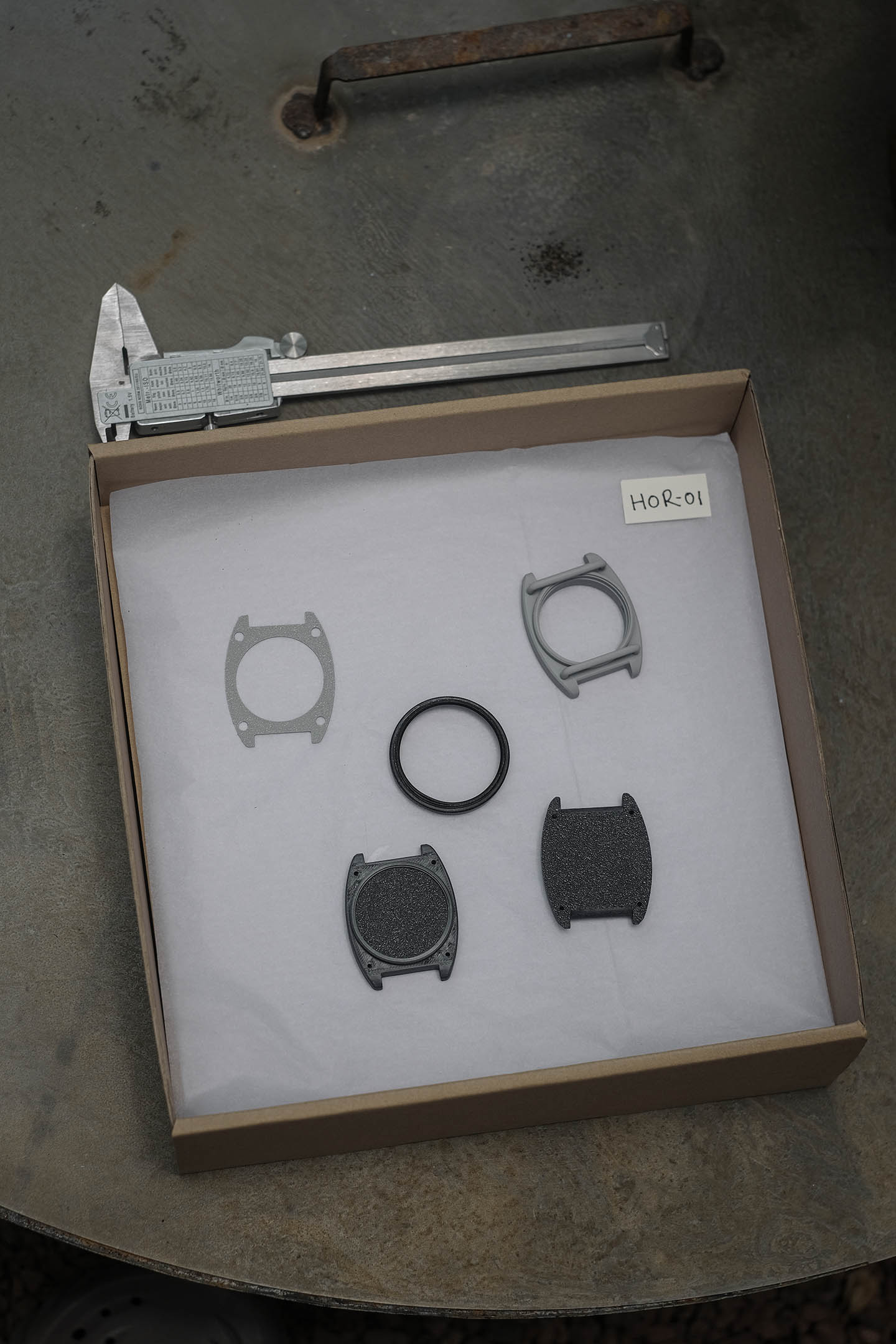
SA-1 is a 42 mm watch and the first physical expression of the Specus system. The case establishes a permanent engineering foundation. Pins, crown caps, dials, protective rings, and bumpers form a controlled layer of change around it.
The drawings and specification have been approved. The project is awaiting the second payment for prototype production. Once received, the prototype will be used to verify fits, materials, assembly, comfort, and compatibility boundaries.
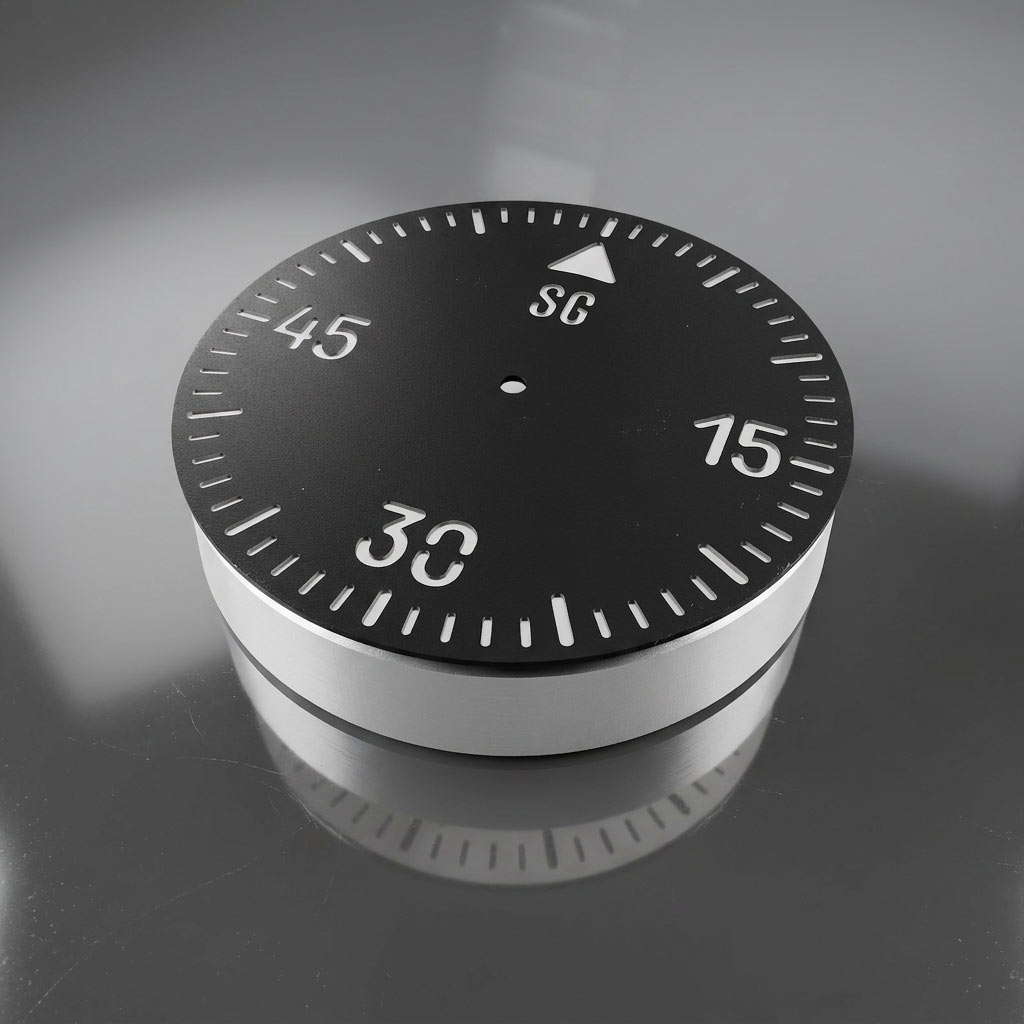
The SA-1 dial reads as a compact map: centre, axis, directions, circle, and repetition. The same structure later expands into Specus art objects and the spatial system of Specus Village.
| Field | Value |
|---|---|
| Object | Specus SA-1 |
| Case diameter | 42 mm |
| Type | watch platform with controlled modularity |
| Current state | drawings and specification approved |
| Next stage | production and verification of the prototype |
| Open zones | external and visual modules |
| Protected core | case, movement interfaces, and sealing surfaces |
Distribution vector — public crowdfunding protocol
Observer coordinate registration opens an access point to the next phase of Specus.
Contents
- 01 / Physical object
- 02 / Controlled modularity
- 03 / From watch to the Specus system
- 04 / Open files and next stage
- 05 / References
01 / Physical object
Permanent foundation
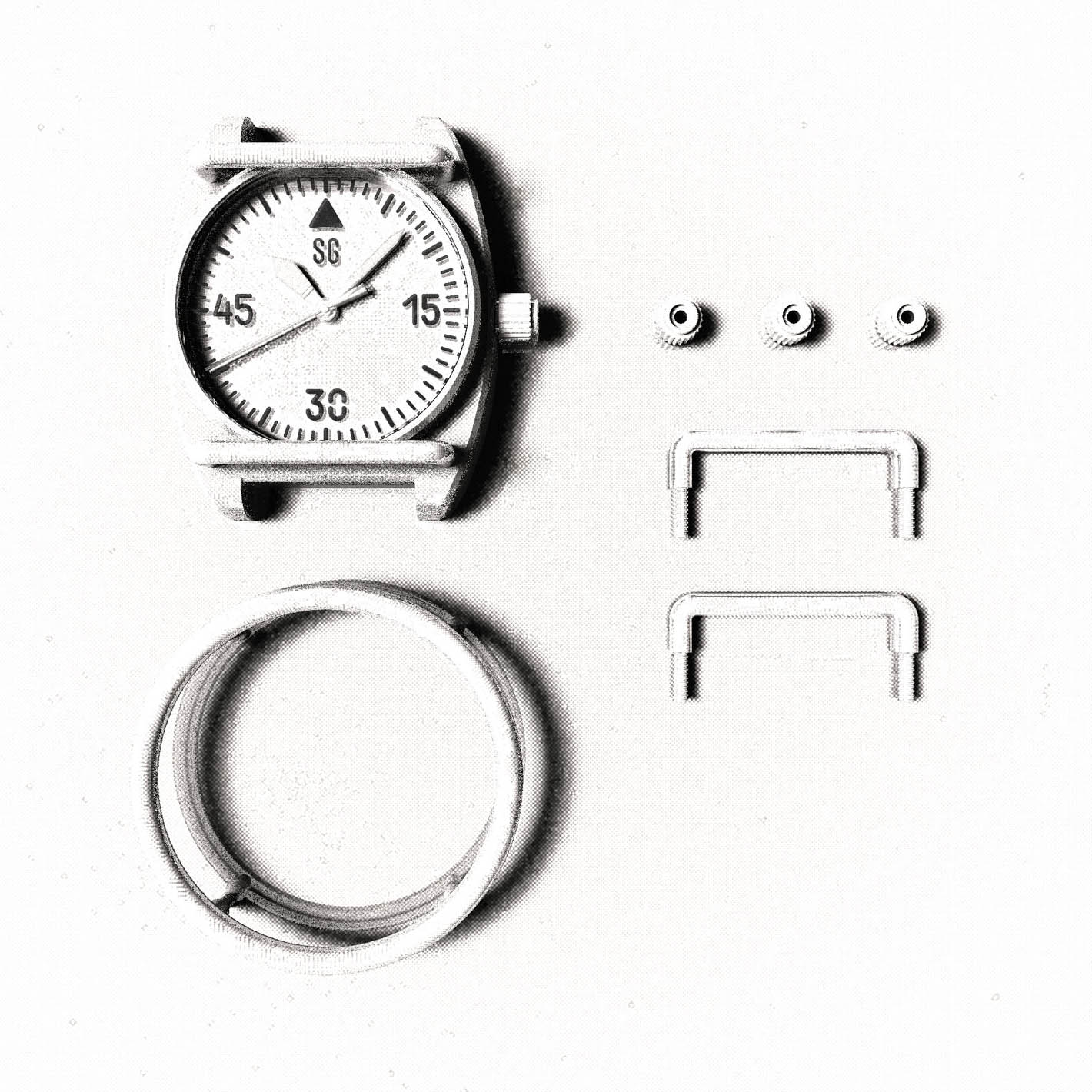
SA-1 begins with an approved 42 mm case geometry. The case, bezel, movement interfaces, gaskets, and other water-resistance surfaces remain fixed. This preserves the identity of the watch and establishes a safe boundary for future changes.
System composition
| Element | Role |
|---|---|
| 42 mm case | permanent geometry |
| Bezel | fixed element |
| Dial | standard or authorial version |
| Caseback | standard or engraving version |
| Crown | base for an interchangeable cap |
| Pins | fastening and visual markers |
| Protective ring | external protective module |
| Bumper | interchangeable protective and visual module |
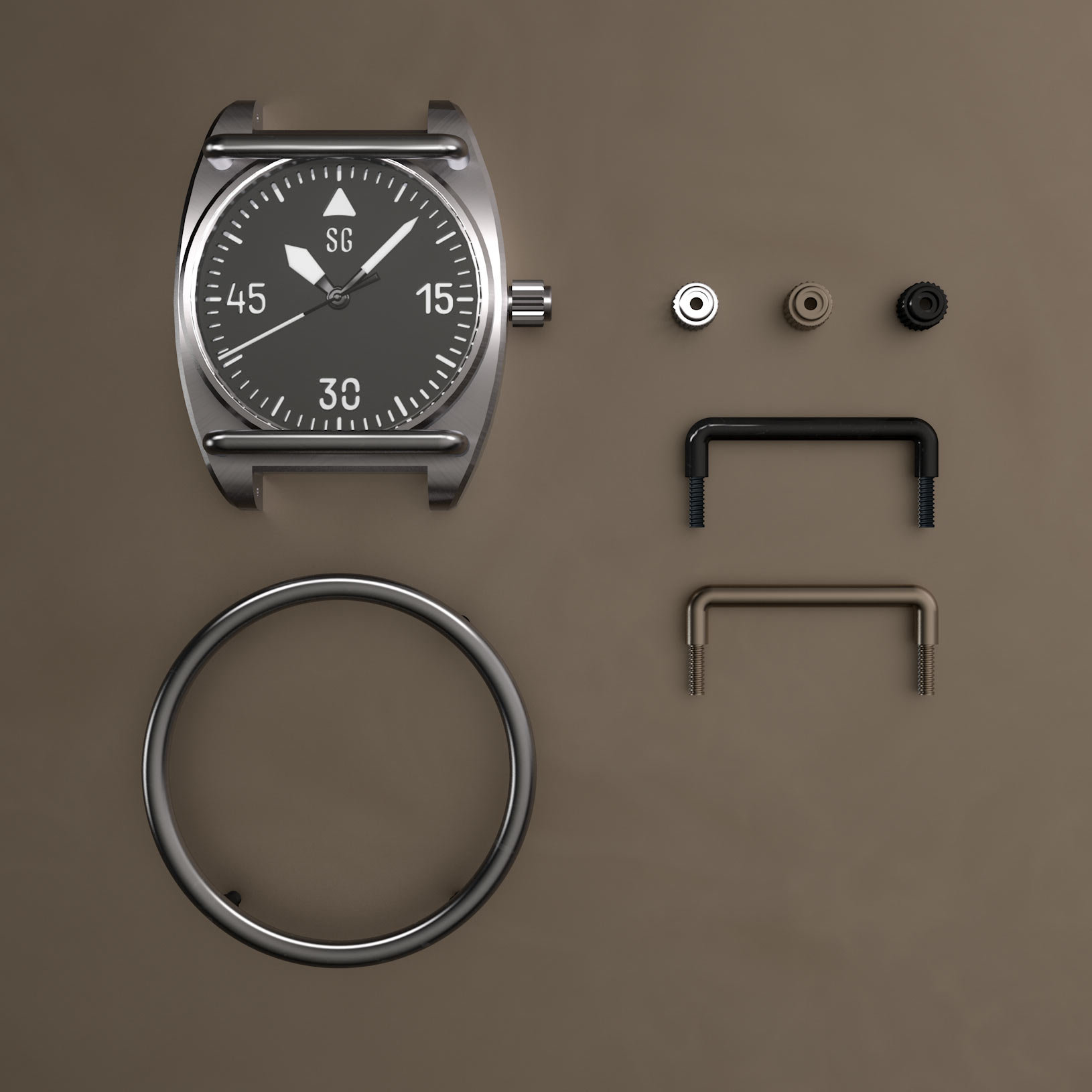
External parts can change the character of the watch without disrupting its primary construction. Material, colour, texture, engraving, and module form create room for series, collaborations, and user-made variations.
02 / Controlled modularity
| Zone | Who may change it | Condition |
|---|---|---|
| Strap | owner | correct fastening |
| Crown cap | owner or service | compatible interface |
| External bumper and ring | owner or service | approved fastening |
| Dial and caseback | watchmaker | service assembly |
| Movement and sealed zones | manufacturer or service | mandatory testing |
Controlled modularity separates creative access from engineering responsibility. The owner can work with external and visual layers. The movement, gaskets, and structural surfaces remain within the responsibility of the manufacturer or a qualified service provider [1, 2].
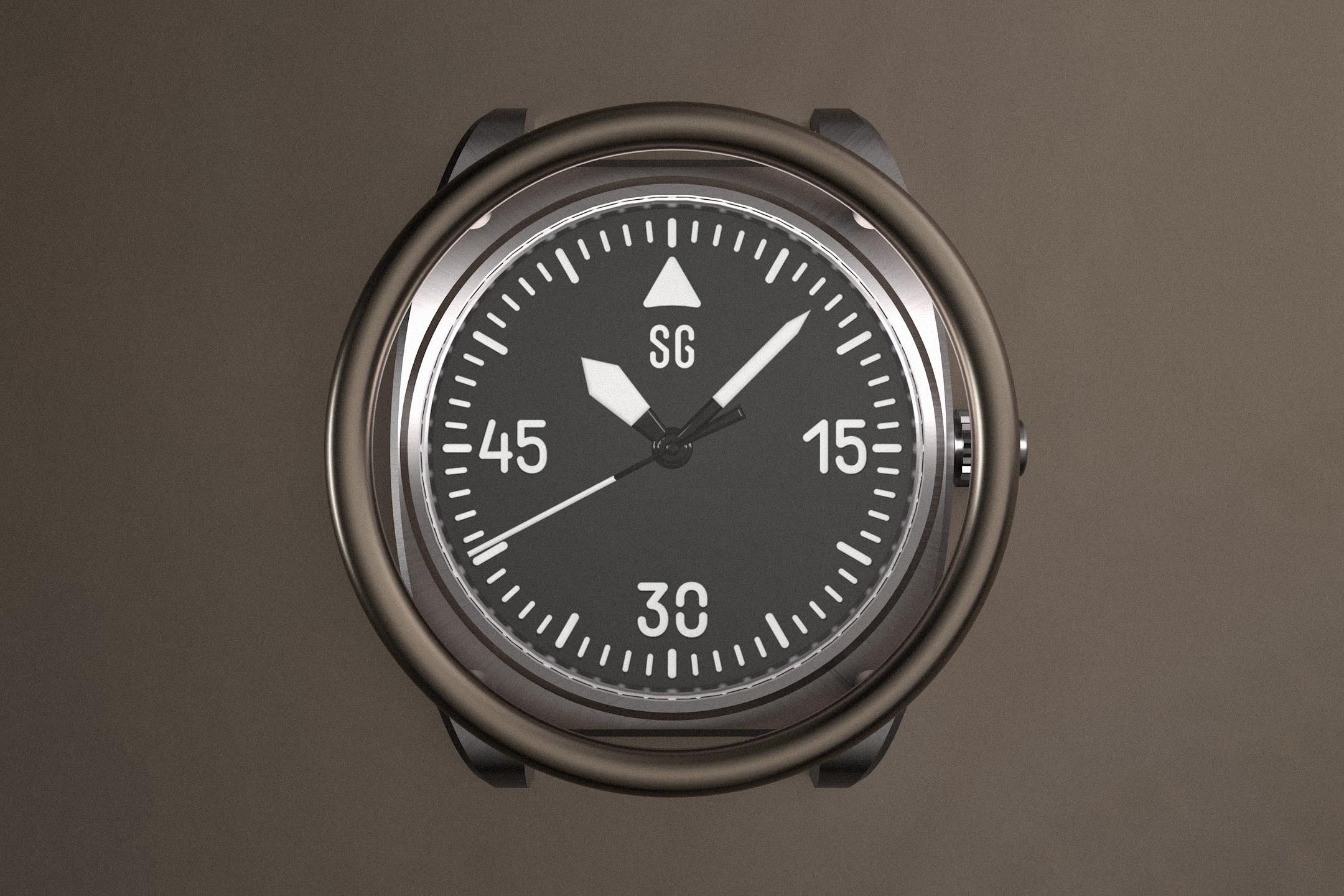
42 mm becomes 420 mm, then territory.
03 / From watch to the Specus system
Why SA-1 came first
A watch can hold a larger system at the scale of the wrist. The viewer first encounters a physical object, then recognises its order: the centre of the hands, the case boundary, dial directions, the rhythm of markers, and circular movement.
Within the logic of Plato's cave, SA-1 can be understood as a visible projection of a broader structure. The watch does not illustrate a philosophical text. It gives physical form to principles that recur in objects, architecture, and spatial organisation [6].
Three scales
| Scale | Object | Expression of order |
|---|---|---|
| 42 mm | SA-1 | centre, boundary, direction, cycle, interchangeable part |
| 420 mm | Specus art object | field of markers, removable modules, material, authorial series |
| territory | Specus Village | common centre, paths, boundary, functional zones, and rhythms of life |
Future modules can return to an existing watch and alter how it is read. SA-1 therefore records the beginning of a system that continues to develop after its first release.


04 / Open files and next stage
Planned release
Following engineering verification of the prototype, Specus will prepare reference geometry for compatible external modules. Published files will clearly separate creative zones from surfaces that affect assembly, strength, and water resistance.
| Material | Purpose |
|---|---|
| Reference geometry | dimensions and fastening points |
| External module files | development of caps, pins, rings, and bumpers |
| Constraint map | protection of the permanent engineering core |
| Version record | author, material, finish, and compatibility |
The open system enables an artist, engineer, jeweller, or owner to create a compatible external element. Each version retains its authorship through project documentation and the archive.
Current sequence
- Complete the second payment for prototype production.
- Manufacture and receive the prototype.
- Verify geometry, fits, materials, and comfort.
- Confirm compatibility and service rules.
- Prepare the first release and open module files.
- Transfer the shared mechanical grammar into a series of art objects.
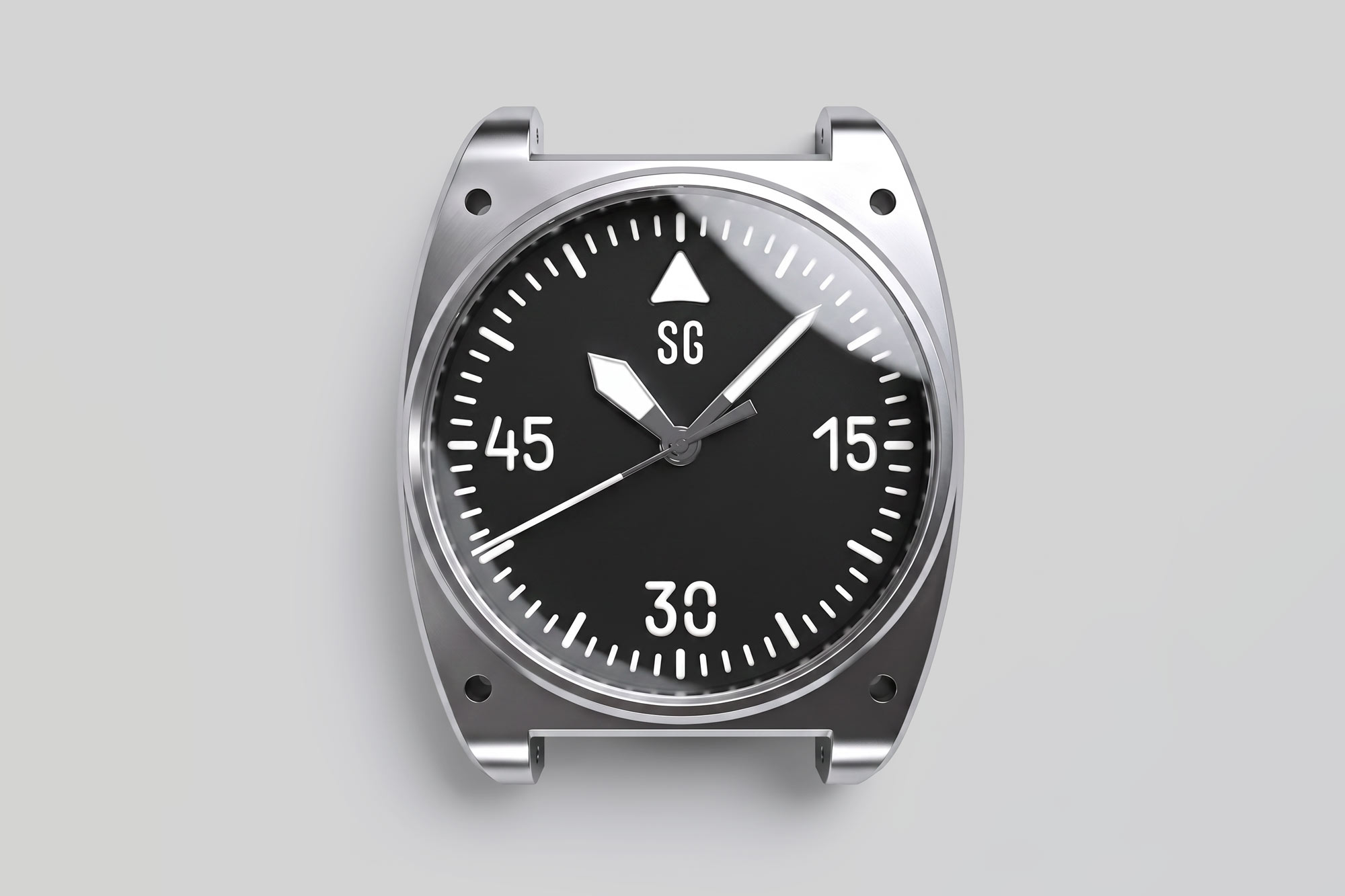
SA-1 is the first material node of Specus. The watch gives the system a scale, an interface, and engineering discipline. Art objects and Village extend the same order into space.
05 / References
Distribution vector — public crowdfunding protocol
Observer coordinate registration opens an access point to the next phase of Specus.